

HOT


Add air-driven circulation where an outdoor outlet is hard to reach. POPOSOAP solar pond aerators use a solar-powered air pump and submerged diffusers to release bubbles below the surface. Compare air output, supported pond depth, diffuser count, battery capability, pond volume, fish load, and seasonal conditions before choosing a solar pond aeration system.


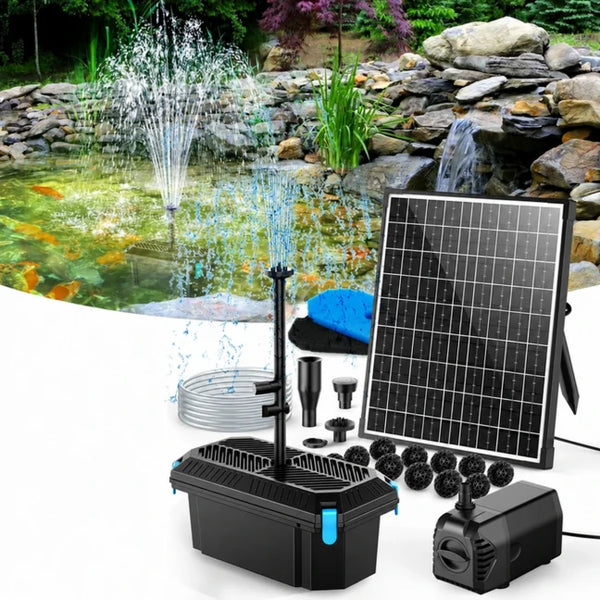


A solar pond aerator moves air through tubing to a submerged diffuser, where rising bubbles help move water and support gas exchange at the surface. Choose a system by pond volume and depth, fish load, air output, diffuser count, available sunlight, and seasonal conditions—not by fountain-pump GPH alone. Direct-sun models are best for daytime aeration in open locations, while battery-equipped systems can provide steadier operation when clouds pass or after the panel has charged. For deeper ponds, heavier fish loads, or multiple zones, confirm the model’s supported depth and air delivery before you buy. Aeration supports pond care, but it works best alongside appropriate filtration, debris removal, and routine water-quality checks.

“Whether in IBC tanks or other pond systems, Poposoap's filters and related products can function and meet the needs of different breeding scenarios.”

“I have been using the POPOSOAP pond pumps, solar fountains and waterfall systems for some time now and I have been very impressed with the quality of the products. The products have helped me transform my garden and bring new water feature ideas to life.”

“Using PopoSoap waterfall has been a truly amazing experience. The elegant design, soothing sound, and calming flow bring peace to my space every day. Highly recommended!”

“I just Love Poposoap Waterfall Pond Filters, Dependable, Reliable and most importantly Affordable! Thank you Poposoap for keeping my Pond Crystal Clear, Healthy and my Fish Happy”

“The poposoap waterfall box is easy to install, made of quality materials, and provides excellent sound and filtration for my mini ponds. They are affordable, durable, versatile for a range of applications.”

“What I love about this brand of waterfall spillway kit is that the waterfall box is made of stainless, versus the plastic of some other brands. The pieces are durable and well made and the small, powerful pump ensures great water flow for the waterfall.”

“Easy setup with a good pump. This fountain was the perfect size for our backyard pond. It fit right into our smaller waterfall basin. We opted to place it in the water itself and not have it outside (and plan to cover it in decorative rock).Setup was easy and took about 30 minutes.”

“Definitely happy with this purchase. So I bought this for my 55 gallon outdoor patio pond that had a chronic algae problem. This is pretty big for that size pond, but it definitely does the job I needed it for. It has kept my pond clear and it's easy to clean.”

“When it's level it works best !!! Works great was missing pieces and the box was seal.”
A solar pond aerator uses a solar panel to power an air pump that sends air through tubing to one or more diffusers below the water. The bubbles help move water and support gas exchange at the surface. Browse POPOSOAP solar pond aerators to compare available system designs.
The solar panel converts sunlight into electricity for the air pump. The pump pushes air through airline tubing to a submerged diffuser, which releases bubbles that rise and move surrounding water. Direct-sun systems respond to available sunlight, while battery-equipped models can store energy for steadier operation under changing light.
Start with pond volume, maximum depth, fish load, and the number of areas that need aeration. Then compare air output, supported diffuser depth, diffuser count, battery capability, and the sunlight available at the panel location. For a higher-capacity example, review the specifications of the 15W Solar Pond Aerator with 4400mAh Battery rather than assuming every model has the same coverage.
It can support circulation and gas exchange in many fish and koi ponds when the system is sized for the pond’s depth, volume, fish load, and seasonal oxygen demand. Aeration is only one part of pond care, so continue appropriate filtration, water testing, and debris removal. See Does Your Pond Need Aeration? for common signs and planning considerations.
Place the panel where it receives the amount of direct sunlight required by the selected model, without shade from trees, walls, or nearby structures during key operating hours. Output may fall when clouds, shade, dirt, or a poor panel angle reduce solar input. Follow the product manual for panel orientation and charging guidance.
Direct-sun aerators may slow down or stop when solar input drops. A model with a charged battery can continue operating for a period, but actual runtime depends on battery capacity, charge level, selected mode, weather, and system load. Compare battery-equipped options in the Pond Aerators collection and confirm the individual product specifications.
Place the solar panel in strong sunlight and keep the air pump on a stable, dry surface above the waterline unless the product manual states otherwise. Route tubing where it will not kink, become a trip hazard, or be damaged by yard equipment. Position diffusers in the zones that need water movement while staying within the system’s supported depth.
Use the depth range specified for the individual aerator. Greater depth creates more back pressure, so placing a diffuser deeper than the pump supports can reduce bubbles or stop airflow. In winter, diffuser placement may require a different strategy to avoid disturbing the pond’s deeper, relatively stable water layer.
Not usually. An aerator moves air and supports gas exchange, while a pond filter system removes or processes suspended and dissolved waste, and a water pump moves water through filters, waterfalls, or fountain heads. Many ponds benefit from using these functions together rather than treating them as interchangeable.
Keep the solar panel clean, check tubing for kinks or leaks, and inspect diffusers for mineral buildup or biofilm. Make sure air inlets remain clear and keep the pump dry and ventilated as directed by the manual. The guide How to Aerate a Pond explains how aeration fits into broader pond maintenance.
Winter use depends on local temperatures, pond depth, equipment rating, sunlight, and the product manual. Aeration may help maintain gas exchange, but it should not be presented as a guaranteed deicer, and diffuser placement matters in cold climates. Review Winter Pond Care Tips before choosing a winter setup.
Check whether the panel has direct sunlight or the battery has charge, then inspect cable connections, air inlets, tubing, check valves, and diffusers. Straighten kinked tubing and clean a clogged diffuser according to the manual. If the pump runs but airflow remains weak, compare the installation depth with the model’s supported depth and contact POPOSOAP support with the product model and setup details.


