


Pond Pumps
Shop pond pumps for circulation, filters, fountains, streams, waterfalls, and water gardens. Compare flow at your actual head height, maximum lift, tubing size, power source, submersible or external use, and compatibility with the rest of the pond system.
Pond Pumps for Circulation, Filters & Waterfalls

20W 280GPH Solar Fountain Pump (Green)

660GPH Waterfall Pump Kit with 12"x13.4" Spillway

660GPH Waterfall Pump Kit with 8"x13.4" Spillway

SPF300 55W 580GPH Solar Pond Filter Fountain


SPF300 70W 680GPH Solar Pond Filter Fountain
SAVE
$5

35W 340GPH Solar Fountain Pump

660GPH Waterfall Pump Kit with 8"x13.4" Spillway (LED)

SPF390 55W 580GPH Solar Pond Filter Fountain

680GPH Submersible Water Pump
Best Sellers
HOT

8W Solar Pond Filter Fountain with Battery
HOT
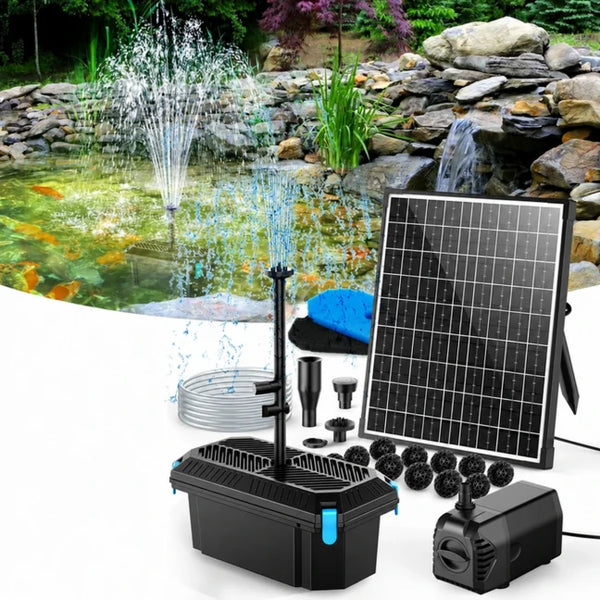
SPF326 20W 280GPH Solar Pond Filter Fountain
HOT

660GPH Floating Fountain with LED Light
HOT

660GPH Waterfall Pump Kit with 8" Spillway & Light
Choose a Pond Pump by the Job It Must Do
The same pond may need different flow for filtration, a fountain pattern, or a waterfall. Define the job first, then calculate vertical lift and plumbing resistance before comparing pump output.
Check tubing size, intake protection, operating schedule, energy source, and maintenance access. A pump chosen only by maximum flow may not deliver that number in the installed system.
Loved by POPOSOAP Water Feature Customers

★★★★★
“Whether in IBC tanks or other pond systems, Poposoap's filters and related products can function and meet the needs of different breeding scenarios.”

★★★★★
“I have been using the POPOSOAP pond pumps, solar fountains and waterfall systems for some time now and I have been very impressed with the quality of the products. The products have helped me transform my garden and bring new water feature ideas to life.”

★★★★★
“Using PopoSoap waterfall has been a truly amazing experience. The elegant design, soothing sound, and calming flow bring peace to my space every day. Highly recommended!”

★★★★★
“I just Love Poposoap Waterfall Pond Filters, Dependable, Reliable and most importantly Affordable! Thank you Poposoap for keeping my Pond Crystal Clear, Healthy and my Fish Happy”

★★★★★
“The poposoap waterfall box is easy to install, made of quality materials, and provides excellent sound and filtration for my mini ponds. They are affordable, durable, versatile for a range of applications.”

★★★★★
“What I love about this brand of waterfall spillway kit is that the waterfall box is made of stainless, versus the plastic of some other brands. The pieces are durable and well made and the small, powerful pump ensures great water flow for the waterfall.”

★★★★★
“Easy setup with a good pump. This fountain was the perfect size for our backyard pond. It fit right into our smaller waterfall basin. We opted to place it in the water itself and not have it outside (and plan to cover it in decorative rock).Setup was easy and took about 30 minutes.”

★★★★★
“Definitely happy with this purchase. So I bought this for my 55 gallon outdoor patio pond that had a chronic algae problem. This is pretty big for that size pond, but it definitely does the job I needed it for. It has kept my pond clear and it's easy to clean.”

★★★★★
“When it's level it works best !!! Works great was missing pieces and the box was seal.”
Straight answers for choosing, installing, and maintaining the right setup.
Pond Pumps FAQ
What is a pond pump?
Pond Pumps move water for circulation, fountains, filters, streams, or waterfalls. The right model depends on the required flow at the actual lift height, tubing size, feature type, and operating schedule.
How do I size a pond pump?
Start with the desired use: circulation, filtration, fountain display, or waterfall. Then compare required flow with the pump's output at your total head height, including vertical lift and plumbing resistance. See different types of pond pumps.
What is head height on a pond pump?
Head height is the resistance the pump must overcome, especially vertical lift from the water surface to the outlet. Flow usually decreases as head height increases, so use the product's performance information at your planned lift.
Can one pump run a filter and a waterfall?
It can in some properly sized systems, but the combined flow demand, lift, plumbing, and flow controls must be considered. Separate pumps may make independent adjustment and maintenance easier.
What tubing size should I use?
Use tubing that matches the pump outlet or an approved adapter and is large enough for the intended flow. Undersized or kinked tubing adds resistance and can reduce output.
Can pond pumps run continuously?
Continuous use depends on the individual pump rating, water level, cooling, and maintenance instructions. Follow the product manual and never run a submersible pump dry unless it is specifically designed for that use.
How do I keep a pond pump from clogging?
Use the recommended intake screen or prefilter, keep the pump above loose sediment when appropriate, remove string algae, and clean accessible parts on a regular schedule. Review the pond pump maintenance guide.
Why is my pond pump losing flow?
Common causes include a blocked intake, dirty filter media, low water, kinked tubing, trapped air, excess lift, or worn parts. Switch off power safely before inspection and use the fountain troubleshooting guide.
How do I choose the right power source for a pond pump?
Choose based on the site, operating schedule, available sunlight or outdoor electrical service, and the flow needed at the actual head height.
What should I check before buying pond pumps?
Confirm flow at the planned head height, maximum lift, outlet and tubing size, power source, cord or panel reach, submersible or external use, included fittings, and compatibility with your filter, nozzle, or waterfall.
Our customer support is available Monday to Friday: 9am-6pm.Average answer time: 24h


